

Why Pilates
This is where your journey begins. Get to know why Pilates is good for you
1. Is special because it works with you, enhances your body awareness and your posture
2. improves your control in your movements (great if you train for a sport)
3. improves your balance and coordination (improve skills in tennis, golf)
4. builds confidence in your movement and it shows in the way you walk and move
5. it works with every single body type and around any disability
6. supports long term exercise habits

Pilates after injury or surgery
Returning to movement after surgery or injury can be overwhelming especially if you don't know where to start from that is why Clinical Pilates is tailored around your current abilities and helps you getting back to the best of your abilities and skills and return to your normal self.
Clinical Pilates can be effective in
- post knee surgery replacement
- hip replacement, post fractures
- shoulder replacement surgeries
- Long term back pain
- falls prevention
- general deconditioning
- pain management
- sport injuries
- musculoskeletal pain
Understanding Pain
Pain doesn't always mean damage
Pain is the body protective experience
Pain and tissue damage are not the same thing and is essential for diagnosis and monitoring of recovery.
“Pain is a bit like an alarm system. An alarm is useful when there is a real danger, but sometimes the sensitivity of the alarm can remain high even after the danger has reduced.”
Important to distinguish between:
🟢 Acceptable response
- Mild discomfort during exercise
- Symptoms settle relatively quickly
- No significant deterioration in function
- Gradual improvement over time
🟠 Modify
- Pain is increasing substantially during the exercise
- Symptoms remain significantly worse afterwards
- The exercise repeatedly causes a flare-up
🔴 Stop and seek professional advice
- New significant neurological symptoms
- New loss of strength or sensation
- Severe or rapidly worsening pain
- Symptoms suggesting a more serious underlying problem

What to expect on your first assessment
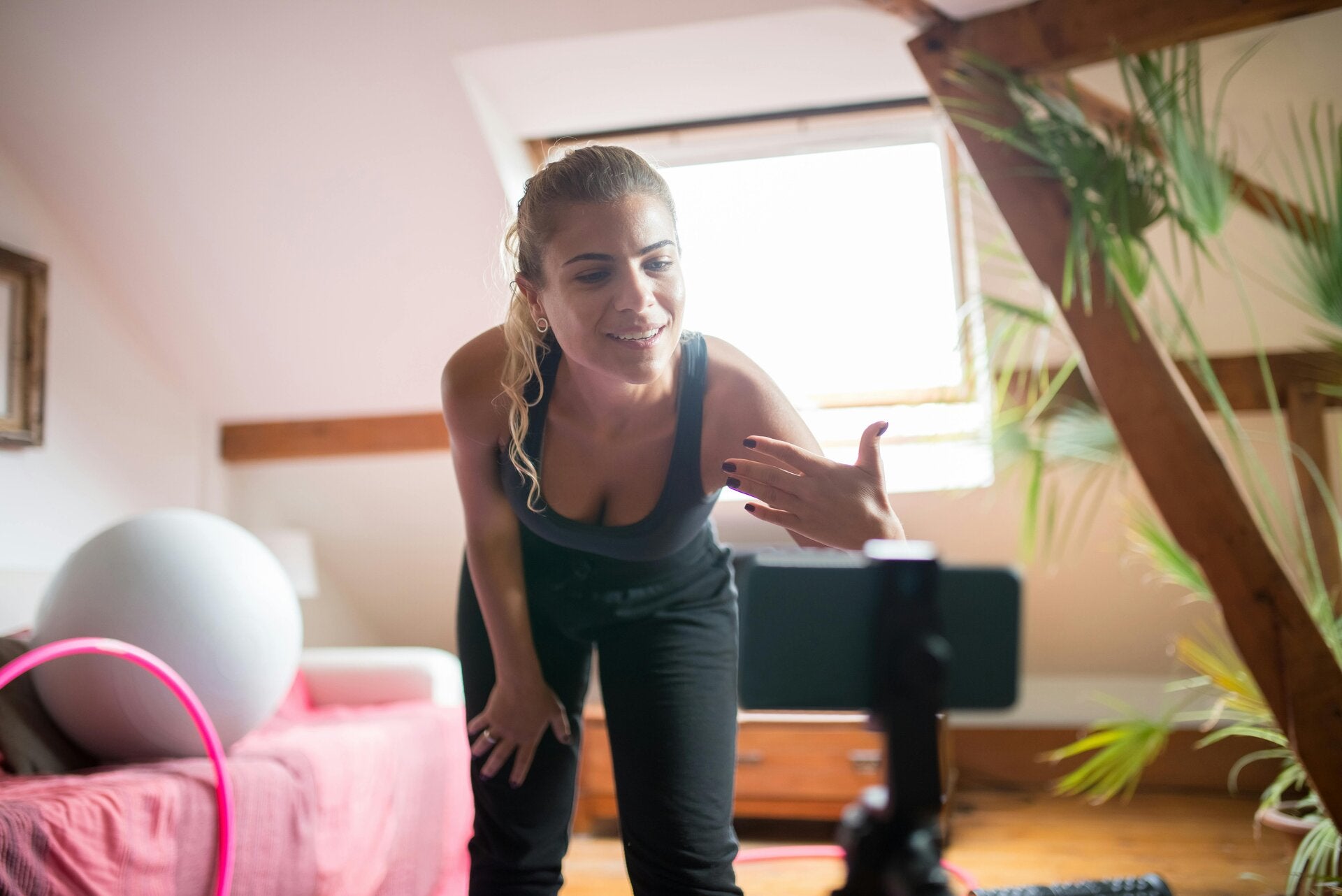
Before your first appointment you will need to complete a form online with your social and medical history to help prepare for your assessment
- Wear comfortable clothing
- Prepare a suficient space where you can lay on the floor
- Have your medication available if needed such as inhalers
- Have any relevant hospital or GP letter information available.
- if pets or children or other family members will be present let them know of this visit.
During your assessment
- discuss any medical concerns you have or investigations pending
- discuss your symptoms and goals
- You will be assessed in laying sitting standing
- You will practice exercises in various positions
- Agree on a treatment program and plan
After your assessment
- Soreness is normal
- Monitor your symptoms
- Follow your plan
- Get in touch if worried or found any red flag pain